

White Paper
More Resources
View all
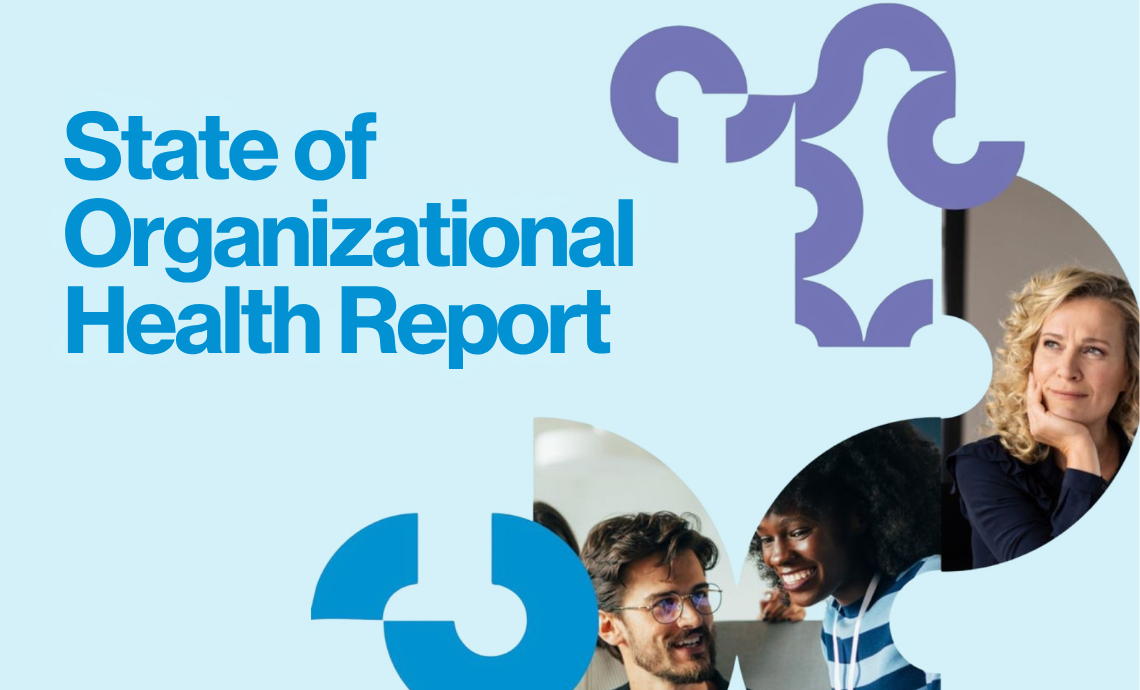
Every leader can sense when something is a little off with theirculture, but few have the data to say exactly where the strain is or what tofix first. Dale Carnegie's inaugural State of Organizational Health Report putsnumbers behind that instinct, tracking how communication, empathy,psychological safety and other foundational workplace qualities are actuallylanding across a global workforce.
This free report traces how those foundations shape day-to-dayexperiences with leaders and flow through to the outcomes every organization ischasing: job satisfaction, retention and engagement. Alongside the globalresults, it breaks findings down by region and flags the strategic prioritiesmost likely to close the gaps it uncovers in 2026.
Diverse hires deliver faster problem-solving, better decisions, and stronger financial performance. Whether those hires stay long enough depends on what happens after they arrive.
The brain categorises people into in-group and out-group inside milliseconds, before conscious thought catches up. We perceive faces differently. We empathise at different levels. We react to the same behaviour differently depending on who is doing it.
This Dale Carnegie white paper gives senior people leaders the language and the practical skills model to act on it.
Cultural competency in the workplace is the skill set that turns cultural awareness into inclusive behaviour. Dale Carnegie research frames it as a two-pillar model: cultural awareness and cultural competency. Awareness is the mindset that recognises in-group bias is a wired feature of human cognition operating in milliseconds. Competency is the practical skill set, empathic communication, conflict management, and change leadership, that overrides those defaults in real interactions. A 40-year meta-analysis of diversity training shows awareness paired with skills delivers stronger outcomes than awareness alone.
Why “be open-minded” guidance underdelivers, and what the brain does when difference shows up in the room.
Cultural awareness as a mindset, cultural competency as a skill set. Why you need both, and what training tends to skip.
How self-confidence and genuine interest combine into the willingness to receive feedback, including from yourself.
Empathic communication, conflict management, and change leadership, with practical handles for each.
A 40-year meta-analysis found diversity training works best when awareness is paired with skills development, run over a meaningful period. Awareness on its own sharpens sensitivity to bias without giving people anything to do with it.
If your business has invested in unconscious bias work and you've seen the awareness scores lift but the behaviour hasn't, this paper points to the skill-building layer that makes it stick.

5 business outcomes that diversity, properly included, has been shown to deliver:
Awareness without skills falls short.
Decades of research show awareness training sharpens sensitivity but rarely shifts behaviour on its own.
Self-efficacy = self-confidence + genuine interest.
The Dale Carnegie definition of the internal condition any inclusion work depends on
3 skill areas that turn awareness into behaviour:
The paper draws on neuroscience research on in-group bias, decades of evidence on diversity training, and Dale Carnegie's body of work on people skills. Written by Mark Marone, PhD, Director of Research and Thought Leadership at Dale Carnegie & Associates.
Dale Carnegie has been studying what changes how people communicate, lead, and influence at work since 1912. Over 9 million graduates across 90+ countries. In Australia, we work with HR and people leaders at organisations including BHP, Macquarie, GE Healthcare, Schneider Electric, and Veolia to turn capability frameworks into behavioural change you can see in the room.